Skip to main content
Menu
Menu
Animal Species
Mammals
Birds
Amphibians / Reptiles
Fish
Insects / Arachnids
Invertebrates
Pet Names
Pet Names by Species
Pet Names by Personality
Pet Names by Gods and Kings
Pet Names by Color
Pet Names by Language
Pet Names from TV and Games
Pet Names by Gender
Pet Names by Number
Pet Names from A to Z
Pets
Dogs
Cats
Birds
Horses
Hamsters
Guinea Pigs
Exotic Pets
Rabbits
Animal Records
Reptile Records
Fish Records
Bird Records
Insect Records
Amphibian Records
Individual Records
Knowledge
Funny Stories
Animal Terms
True or False?
What’s the Difference?
Did You Know?
Top Lists
Senses and Abilities
Funny Names
Videos
Fun Fact Videos
Knowledge Videos
5 Facts Videos
Pet Videos
Animal Profile Videos
Pictures
Picture of the Day
Animals by Color
Baby Animals
Games
Coloring Pages
Personality Tests
Picture Quizzes
Animal Knowledge Quizzes
True or False Quizzes
Animal Quiz
Animal Species
Pet Names
Pets
Animal Records
Knowledge
Videos
Pictures
Games
Elephants
Primates
Ungulates
Predators
Rodents
Bats
Insect Eaters
Marsupials
Rabbits
Xenarthrans
Whales
Monotremes
See All
Mammal Species
ADVERTISEMENT
Home
Main Characteristics of Elephants
Elephants are the
heaviest land animals
.
Elephants have a
trunk and tusks
.
Elephants live in
Africa and Asia
.
There are
two African
and
three Asian elephant species
.
The
African steppe elephant
is the
largest elephant
.
Elephants live in
savannahs, grasslands, semi-deserts, rainforests, bushlands and swamps
.
Species List
African Elephant
African Forest Elephant
Asian Elephant
ADVERTISEMENT
ADVERTISEMENT
Most Read Mammal Fact Sheets
Arctic Fox
Guinea Pig
Rabbit
Squirrel Monkey
Recommended Fact Sheets
Fruit Bat
Koala
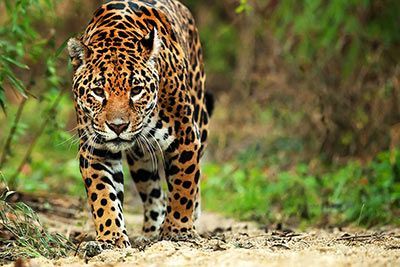
Jaguar
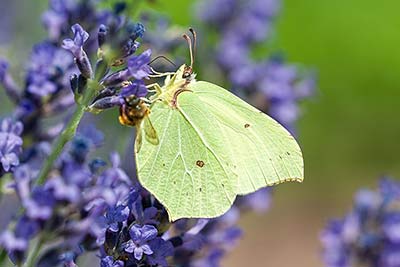
Brimstone Butterfly
See all topics on animalfunfacts.net:
A
B
C
D
E
F
G
H
I
J
K
L
M
N
O
P
Q
R
S
T
U
V
W
X
Y
Z