Feeding the Ducks - Good or Bad?
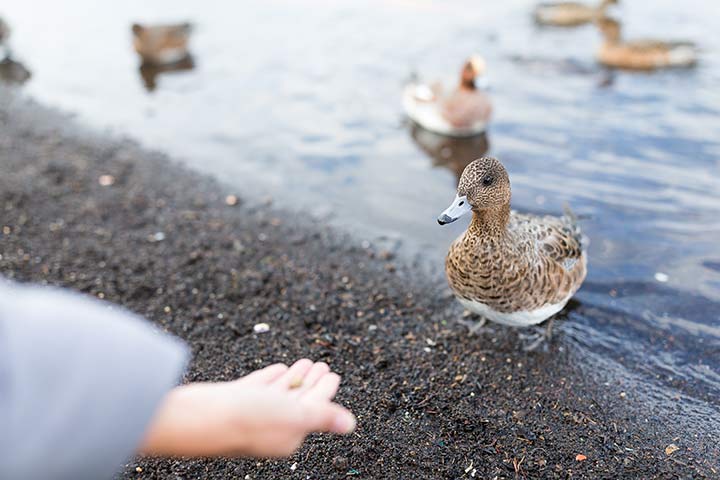
animalfunfacts.net is often out and about in nature, photographing animals e.g. for the photo of the day. We often see parents with their children at lakes and ponds and in parks, feeding the ducks. Unfortunately, many people believe that bread is a good thing to feed them.
What Happens When You Feed Bread?
- Bread makes ducks sick.
- Bread makes fish sick.
- Bread pollutes the water.
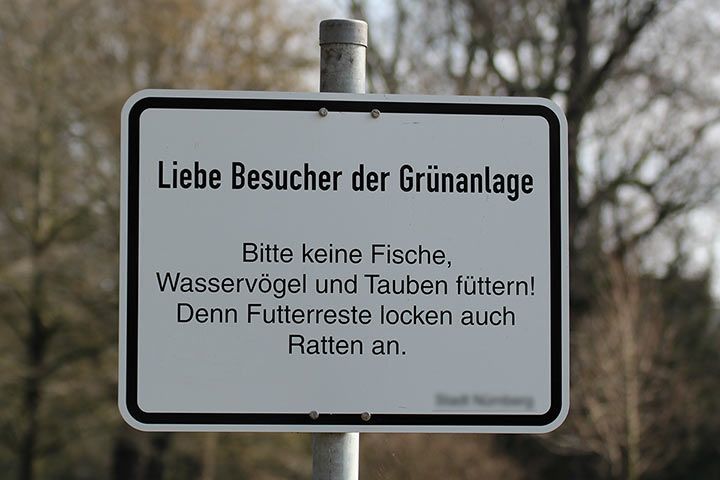
- Bread encourages rats.
What now? Never feed the ducks again? No, you still can. But ONLY if you bring the right food with you! But let’s start at the beginning.
Why Does Bread Make Ducks Sick?
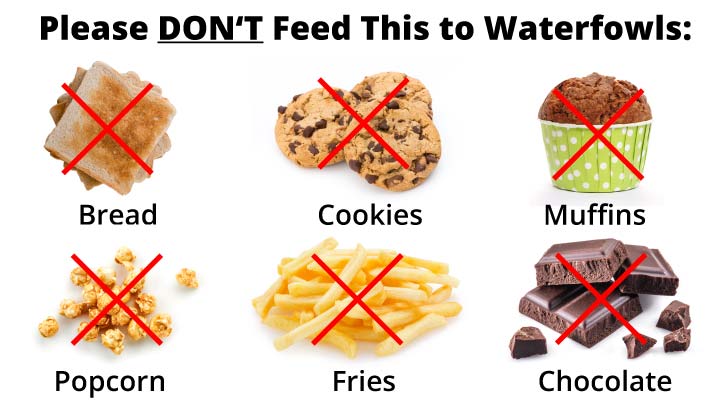
Bread is like unhealthy junk food for ducks, like burgers, candy bars, fries, muffins, cookies, popcorn etc. If they eat too much bread, their diet is no longer balanced and they suffer from deficiencies and get sick. They can even get diarrhea from it. This doesn’t just apply to ducks, but pigeons and other birds as well. This is bad enough for the animals, but the diarrhea then ends up on the banks, where small children often play.
Why Does Bread Make Fish Sick Too?
If you throw bread straight into the water, it might not attract rats but it will damage the water and therefore the fish. It’s not rare that whole slices of bread end up in the water and even the smartest duck can’t snap up each crumb.
Why Does it Damage the Water?
Because so many people feed the ducks, a lot of bread ends up in the water. It sinks to the bottom and rots, the water loses oxygen and more algae grows until the whole things becomes a stinky mess. In the end, the lake or pond will have to be cleaned, which can be expensive.
Why Does Bread Attract Rats?
If you don’t throw bread into the water, you throw it on the banks. But bread ends up getting left here as well. And who’s going to eat it after dark? Rats. Rats are very intelligent, social animals but wild rats carry dangerous diseases. Children playing by the river or pond shouldn’t come into contact with wild rat droppings.
Typical Excuses
• „I only feed them a bit“. The problem is that 50 people a day do this. 50 times “a bit” adds up to a whole lot of bread!
• „I’d have to throw the bread away otherwise!“ Why? Dry bread can be used to make tasty dishes or used as breadcrumbs. „The bread’s moldy anyway“. And you think that’s good for the ducks?
• „They’re hungry. Otherwise they wouldn’t come.“ If they’re always thrown fast food, it’s no wonder that they always come to see what you’ve got. It’s a habit, not a sign of hunger. Often, the animals only eat a few crumbs and leave the rest.
What Food Can You Give Ducks?
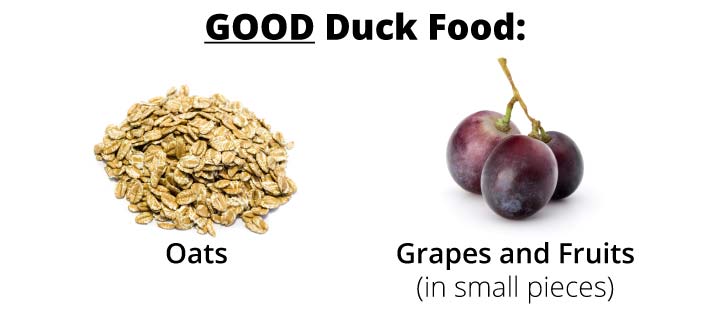
It’s no problem at all to feed the ducks without harming the animals or nature. You can even find duck feed in pet stores. You can feed them unsweetened oats or small pieces of fruit.
What Else Can You Do? Talk to your parents and tell them why feeding ducks bread is a bad idea. Even the biggest animal lovers can’t know everything and are sure to be grateful for the info.
- Watch now on animalfunfacts.net:
-
 All About Birds